

Main navigation

  • About BCS
    • Mission
    • History
    • Building 46
      • Building 46 Room Reservations
    • Leadership
    • Employment
    • Contact
      • Building 46 Email and Slack
    • Directory
  • Faculty + Research
    • Faculty
    • Areas of Research
    • Postdoctoral Research
      • Postdoctoral Association and Committees
    • Core Facilities
    • InBrain
      • InBRAIN Collaboration Data Sharing Policy
  • Academics
    • Course 9: Brain and Cognitive Sciences
    • Course 6-9: Computation and Cognition
      • Course 6-9 MEng
    • Brain and Cognitive Sciences PhD
      • How to Apply
      • Program Details
      • Classes
      • Research
      • Student Life
      • For Current Students
    • Molecular and Cellular Neuroscience Program
      • How to Apply to MCN
      • MCN Faculty and Research Areas
      • MCN Curriculum
      • Model Systems
      • MCN Events
      • MCN FAQ
      • MCN Contacts
    • Research Scholars Program
    • Course Offerings
  • News + Events
    • News
    • Events
    • Recordings
    • Newsletter
  • Community + Culture
    • Community + Culture
    • Community Stories
    • Outreach
      • MIT Summer Research Program (MSRP)
      • Conferences, Outreach and Networking Opportunities
    • Post-Baccalaureate Research Scholars Program
    • Get Involved (MIT login required)
    • Resources (MIT login Required)
  • Give to BCS
    • Join the Champions of the Brain Fellows Society
    • Meet Our Donors

Utility Menu

  • Directory
  • Apply to BCS
  • Contact Us

Footer

  • Contact Us
  • Employment
  • Be a Test Subject
  • Login

Footer 2

  • McGovern
  • Picower

Utility Menu

  • Directory
  • Apply to BCS
  • Contact Us
Brain and Cognitive Sciences
Menu
MIT

Main navigation

  • About BCS
    • Mission
    • History
    • Building 46
    • Leadership
    • Employment
    • Contact
    • Directory
  • Faculty + Research
    • Faculty
    • Areas of Research
    • Postdoctoral Research
    • Core Facilities
    • InBrain
  • Academics
    • Course 9: Brain and Cognitive Sciences
    • Course 6-9: Computation and Cognition
    • Brain and Cognitive Sciences PhD
    • Molecular and Cellular Neuroscience Program
    • Research Scholars Program
    • Course Offerings
  • News + Events
    • News
    • Events
    • Recordings
    • Newsletter
  • Community + Culture
    • Community + Culture
    • Community Stories
    • Outreach
    • Post-Baccalaureate Research Scholars Program
    • Get Involved (MIT login required)
    • Resources (MIT login Required)
  • Give to BCS
    • Join the Champions of the Brain Fellows Society
    • Meet Our Donors

Events

News Menu

  • News
  • Events
  • Newsletters

Breadcrumb

  1. Home
  2. Events
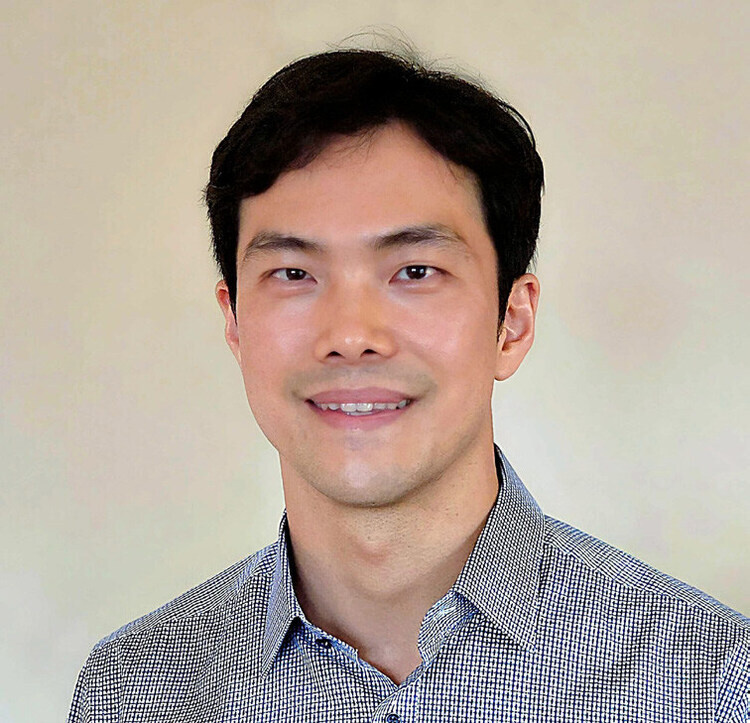
  3. Yang Tan Collective, Brain-Body Center Seminar: Sung-Yon Kim, Seoul National University
Yang Tan Collective, Brain-Body Center Seminar: Sung-Yon Kim, Seoul National University
McGovern Institute for Brain Research

Yang Tan Collective, Brain-Body Center Seminar: Sung-Yon Kim, Seoul National University

Add to CalendarAmerica/New_YorkYang Tan Collective, Brain-Body Center Seminar: Sung-Yon Kim, Seoul National University 10/13/2026 3:00 pm10/13/2026 4:00 pmBuilding 46,Singleton
October 13, 2026
3:00 pm - 4:00 pm
Location
Building 46,Singleton
Contact
sarahf22@mit.edu
    Description


    Date: Tuesday, October 13, 2026
    Time: 3:00 – 4:00 pm
    Location: Building 46, Singleton Auditorium 


    Talk Title: How does drinking rapidly quench thirst? 


    Abstract: 

    Drinking quenches thirst within seconds, long before ingested water can restore systemic fluid balance, but the sensory origin and neural mechanisms underlying this rapid feedback have remained unclear. We identify pharyngeal mechanosensation generated during swallowing as a key sensory signal for rapid thirst satiation. This signal depends primarily on PIEZO2 in pharynx-projecting sensory neurons and ascends through the NTS and Pdyn+ parabrachial neurons to Glp1r+ MnPO neurons, ultimately suppressing SFO thirst neurons and terminating ongoing drinking. Notably, this pathway does not simply relay every swallow. Instead, it implements rate-dependent filtering that preferentially transmits rapidly repeated, drinking-paced swallows while excluding slower patterns associated with eating. Together, these findings define a pharynx-to-forebrain circuit that transforms swallowing-related mechanical signals into rapid, drinking-specific homeostatic feedback.

    Upcoming Events

    Oct
    Tue
    27
    Department of Brain and Cognitive Sciences (BCS)

    Cog Lunch: Vinayak Bansal (Seethapathi Lab)

    12:00pm to 12:30pm
    Add to CalendarAmerica/New_YorkCog Lunch: Vinayak Bansal (Seethapathi Lab)10/27/2026 12:00 pm10/27/2026 12:30 pmBuilding 46,3037
    Oct
    Wed
    28
    The Picower Institute for Learning and Memory

    The 2026 Picower Lecture with Richard L. Huganir, "Neurotransmitter Receptors: Synaptopathies and Synaptic Engrams"

    4:00pm to 5:00pm
    Add to CalendarAmerica/New_YorkThe 2026 Picower Lecture with Richard L. Huganir, "Neurotransmitter Receptors: Synaptopathies and Synaptic Engrams"10/28/2026 4:00 pm10/28/2026 5:00 pmBuilding 46,Singleton Auditorium (46-3002)
    Oct
    Thu
    29
    Department of Brain and Cognitive Sciences (BCS)

    Colloquium on the Brain and Cognition with Scott Linderman (Grad Student Hosted)

    4:00pm to 6:00pm
    Add to CalendarAmerica/New_YorkColloquium on the Brain and Cognition with Scott Linderman (Grad Student Hosted)10/29/2026 4:00 pm10/29/2026 6:00 pmBuilding 46,Singleton
    See All Events
    Don't miss our next newsletter!
    Sign Up

    Footer menu

    • Contact Us
    • Employment
    • Be a Test Subject
    • Login

    Footer 2

    • McGovern
    • Picower
    Brain and Cognitive Sciences

    MIT Department of Brain and Cognitive Sciences

    Massachusetts Institute of Technology

    77 Massachusetts Avenue, Room 46-2005

    Cambridge, MA 02139-4307 | (617) 253-5748

    For Emergencies | Accessibility

    Massachusetts Institute of Technology